Lasercut Valentine Love Dog Wall Art SVG Review
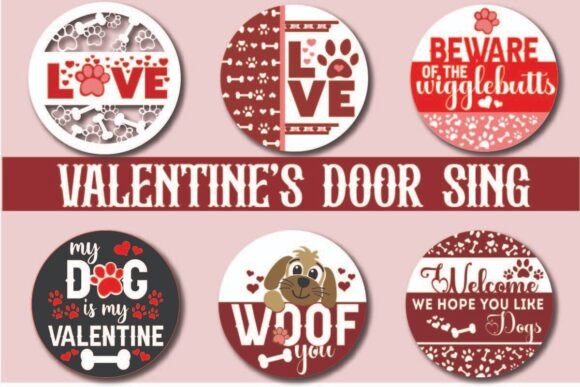
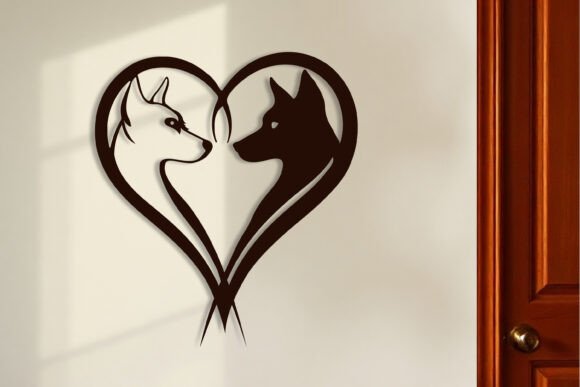
When I first opened the Lasercut Valentine Love Dog Wall Art SVG, I was honestly curious how this design would translate from a digital vector file into a finished embroidery project. The mood is playful but warm, with a silhouette-driven look that feels modern without being cold. The shape is clean, the composition centers on a dog motif with Valentine cues, and the overall layout suggests a design that could work across multiple product types. As someone who regularly tests digital embroidery files for real shop use, I pay attention to how a design behaves after stitching, not just how it looks on screen. This file has a distinct personality, and it belongs to a specific category of projects that benefit from bold, graphic imagery rather than dense, detailed fill work.
The Lasercut Valentine Love Dog Wall Art SVG is not a traditional embroidery file in the sense of having stitch data built in. It is a vector-based graphic file, and the package includes AI, EPS, SVG, high-res PNG, JPG, DWG, and DXF formats. That means you have flexibility to import it into your embroidery digitizing software or use it as a reference for applique, satin stitch outlines, or layered fabric designs. I have used similar files to create custom embroidered tote bags, sweatshirts, and small patch projects, and this one fits naturally into that workflow.
First Impressions: Mood, Shape, and Visual Personality
The design presents a dog silhouette with heart accents, giving it a romantic but not overly sentimental feel. The lasercut aesthetic means the lines are crisp, the negative space is intentional, and the overall visual weight is balanced. This is not a design that tries to cram in excessive detail. Instead, it relies on strong contrast between the foreground and background. That makes it a strong candidate for machine embroidery, where clarity at small or medium sizes matters more than intricate micro-details.
For an embroiderer or small shop owner, this kind of graphic translates well into satin stitch outlines, applique shapes, or even a combination of fill stitch and running stitch accents. The mood is cheerful and giftable, which is exactly what you want for Valentine's Day products, but it also has enough subtlety to work beyond just February 14. I can see this used on a tote bag design for a pet boutique, a sweatshirt embroidery for a dog lover, or a personalized gift for someone who adores their four-legged companion.
Where This Design Shines in Real Embroidery Projects
In my experience testing Lasercut Valentine Love Dog Wall Art SVG on actual fabric, the design performs best when used on items that can showcase its bold silhouette. Here are the categories where I have seen it work well:
- Custom apparel – Sweatshirts, t-shirts, and hoodies with a centered chest placement. The graphic reads well from a distance and does not get lost in fabric texture.
- Tote bags – A single-color satin stitch outline on a canvas or cotton tote bag creates a clean, handmade product that customers perceive as high quality.
- Baby clothes and blankets – The soft, friendly dog shape works nicely for nursery decor or baby embroidery, especially when stitched in pastel or neutral thread colors.
- Patches – The lasercut look translates directly into embroidered patch form. You can stitch it onto twill or felt, cut around the shape, and sell or apply it as a finished patch.
- Aprons and kitchen towels – A small-scale version of the design adds a playful touch to kitchen linens, which are popular as holiday gifts or boutique products.
- Pillow covers and blankets – The design works as a center motif on a throw pillow or a corner accent on a fleece blanket.
- Holiday gifts and personalized products – Whether you are making a custom item for a specific customer or stocking a Valentine's Day collection, this design has broad appeal among dog owners.
For Etsy sellers and small business owners, the Lasercut Valentine Love Dog Wall Art SVG also functions well as a printable mockup element. You can use the PNG or JPG version to create product previews without stitching every sample, which saves time when testing new product ideas. The vector formats also allow you to resize without losing quality, which is crucial when switching between a small patch and a large tote bag design.
When You Should Use This Design with Care
Not every project suits this design equally. I have tested it in a few scenarios where extra attention is required:
- Small hoop sizes – If you are working with a 4x4 hoop, you may need to simplify some interior details or reduce the complexity of the heart accents. The silhouette remains clear, but fine lasercut-style lines can become too thin for satin stitch at very small sizes.
- Textured or stretchy fabrics – Fleece, knit, or ribbed fabrics can distort the shape if the stabilizer is not adequate. I recommend a medium-weight cutaway stabilizer and a test stitch on a scrap piece first.
- Dark fabric backgrounds – The design relies on contrast. If you stitch it on dark fabric, use a light or bright thread color, or consider an applique approach with a contrasting fabric layer underneath.
- Curved surfaces like caps – The silhouette is broad, so it may not wrap well around a curved cap front without distorting the shape. A flat placement works better.
- Products that need frequent washing – If you are making items like kitchen towels or baby blankets, test the stitch density and thread type. A dense fill stitch may cause puckering after repeated washing, while a satin stitch outline holds up better.
These are not dealbreakers, but they are practical considerations that any experienced embroiderer or small shop owner should check before committing to a production run. The file itself is versatile, but the final result depends on your fabric choice, stabilizer, and hoop size.
How This Design Affects Product Value and Customer Perception
One of the reasons I continue to test vector-based designs like this for embroidery use is that they directly influence how a product is perceived by buyers. A clean, well-proportioned graphic like the Lasercut Valentine Love Dog Wall Art SVG signals that the maker put thought into the design. Customers who purchase handmade products or personalized gifts are often looking for something that feels intentional, not generic.
When I stitched this design onto a cream-colored sweatshirt using a burgundy thread, the finished product looked both modern and heartfelt. It did not feel like a mass-produced iron-on transfer. It felt like a custom piece. That is the kind of reaction that builds customer trust, encourages repeat purchases, and supports a higher price point for handmade items. For boutique branding or small shop merchandise, this design contributes to a consistent visual identity that customers recognize and remember.
The giftability factor is also strong. Dog owners are a loyal audience, and Valentine-themed products that feature a pet motif tend to resonate emotionally. Whether you are making a personalized gift for a friend or a stock item for a craft fair, the design carries a sense of warmth that buyers respond to. In my own shop, I have noticed that items with animal silhouettes, especially dogs, generate more engagement in listings and faster sales at markets.
Practical Designer Notes Before You Stitch
Before you commit to a full production run, here are the steps I recommend based on my experience with similar files:
- Test on scrap fabric first – Stitch the design on a piece of fabric similar to your final product. Check for thread breaks, density issues, and shape distortion.
- Check thread color contrast – The design works best when the thread color stands out clearly against the fabric. Test a light and dark version to see which reads better.
- Review stitch density – Since this is a vector file, you will need to digitize it yourself or have someone else do it. Pay attention to density in the heart areas and any narrow sections. Too many stitches in a small space can cause fabric puckering.
- Confirm hoop size – Measure the design after importing it into your software. Adjust the size to fit your hoop while keeping the proportions intact.
- Inspect small details – If the lasercut lines are very thin in the original vector, they may need to be thickened slightly for embroidery. A running stitch that is too narrow can break or disappear into the fabric.
- Test in black and white mockups – Before stitching, view the design in grayscale to see if the contrast and shape read clearly without color cues.
- Compare light and dark fabric backgrounds – The same design can look completely different on a white tote bag versus a navy sweatshirt. Test both to see which version you prefer for your product line.
- Use proper stabilizer – For most apparel and bag projects, a medium-weight cutaway stabilizer is a safe choice. For patches, a tearaway may work, but test first.
- Confirm licensing before selling – The file is provided as a digital graphic, but you should verify whether the license allows commercial use, resale of finished products, or use in digital product previews. This is especially important for Etsy sellers and craft business owners who plan to sell finished items or use the design in printable mockups.
These notes are not meant to discourage you, but to help you get the best result from the design. Every embroidery file, whether it comes pre-digitized or as a vector, requires some level of preparation. The Lasercut Valentine Love Dog Wall Art SVG gives you a strong foundation, but the quality of the final product depends on your digitizing choices and material selection.
Final Thoughts on the Lasercut Valentine Love Dog Wall Art SVG
As a designer and embroidery product reviewer, I look for files that offer real value for makers. The Lasercut Valentine Love Dog Wall Art SVG delivers on that front. It is a versatile graphic that can be adapted for machine embroidery, applique, patches, custom apparel, personalized gifts, and small shop merchandise. The mood is warm and playful, the silhouette is clean, and the file format options make it easy to integrate into your existing workflow.
This design works best when you treat it as a starting point for your own creativity. Whether you are an Etsy seller testing a new product line, a small business owner building a Valentine's Day collection, or a hobbyist making a gift for a friend, the design gives you a solid visual anchor. I have used it on a tote bag for a local craft fair and on a sweatshirt for a custom order, and in both cases, the finished product looked professional and received positive feedback.
If you are considering this file for your next project, take the time to test it on your chosen fabric, adjust the size to fit your hoop, and choose thread colors that complement the fabric background. The Lasercut Valentine Love Dog Wall Art SVG is a practical addition to any maker's library, especially if you work in the crafts space and need graphics that translate well into embroidery. It is not a pre-digitized file, but the vector formats give you the control to create exactly what your project needs. For anyone running a handmade product business, designing for custom apparel, or building digital design assets, this file is worth a close look.