I Like My French Bulldog and Maybe Like
When I first opened I Like My French Bulldog and Maybe Like, I knew exactly what kind of crafter would reach for this design. It has that dry, self-aware humor that works so well on apparel and gifts for people who don't take themselves too seriously. The retro vibe, the playful wording, the unmistakable French bulldog silhouette — it all lands with a specific kind of charm. As someone who has tested hundreds of designs for both personal projects and client work, I can tell you this one has real potential, but only if you handle it with the right expectations. It is not an embroidery file out of the box. It is a digital SVG cutting file, meant for Cricut and Silhouette machines, which means you will need to adapt it for machine embroidery or use it as an applique template. That distinction matters, and I will walk you through exactly how to make it work for your embroidery projects, whether you are making a one-off gift or building a small product line for your shop.
First Impressions and the Mood It Creates
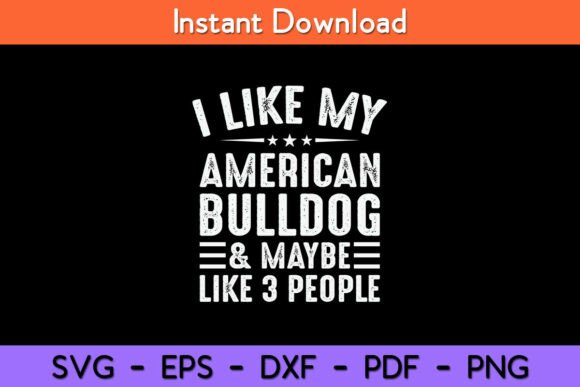
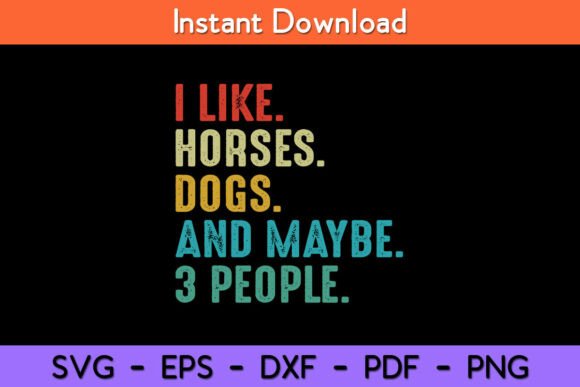
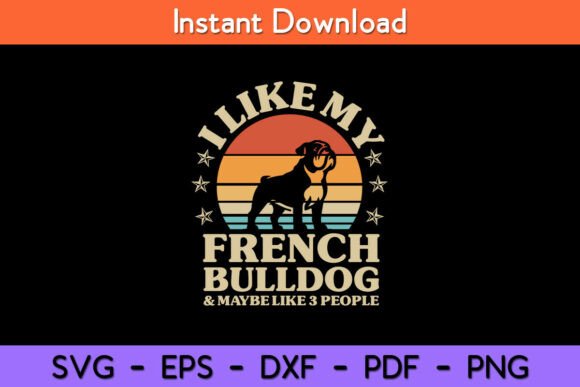
The design leans into a retro, almost vintage T-shirt graphic style. The phrase "I Like My French Bulldog and Maybe Like" reads like a playful confession, and the French bulldog graphic sits right in that sweet spot between cute and sarcastic. It does not try to be elegant or overly polished. It is honest, slightly quirky, and that is exactly why it works. For embroidery designers and small shop owners, this kind of personality-driven design is gold because it connects with buyers who want something that feels personal and a little unexpected.
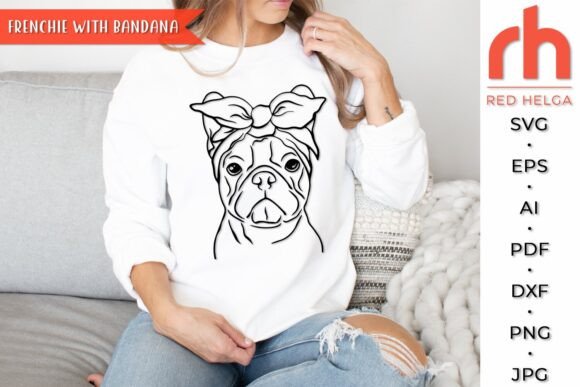
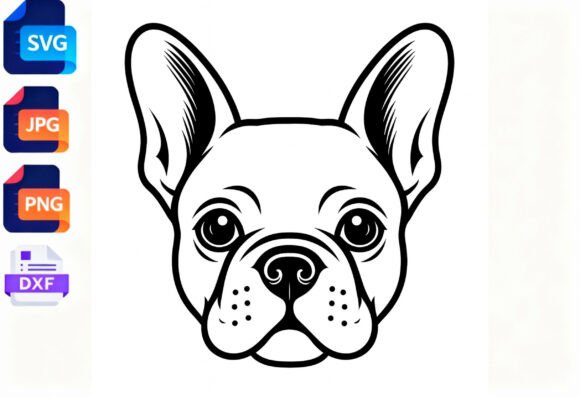
The visual layout is straightforward: the bulldog figure, likely in a simplified retro rendering, paired with the text. The detail level is moderate — not too intricate, but not so simple that it feels generic. That makes it a good candidate for a range of embroidery applications, from a chest piece on a sweatshirt to a center motif on a tote bag. The retro styling also means it pairs well with earthy or faded thread colors, which gives you room to play with vintage palettes that stand out from typical bright or pastel embroidery work.
Real-Use Scenario: A Custom Tote Bag for a Small Shop
A few weeks ago, a client asked me to prepare a run of custom tote bags for a boutique that wanted something funny but not offensive, cute but not childish. I pulled up I Like My French Bulldog and Maybe Like and started planning. The tote bag is a canvas 12 by 14 inch style, so I had a good amount of space to work with. I converted the SVG into an embroidery file, keeping the bulldog as the main focal point and the text as a secondary element. I used a medium-weight cutaway stabilizer and tested the design on a scrap piece of canvas first. The stitch-out was clean, and the retro feel translated perfectly onto the natural fabric tone. The client loved it, and the bags sold out at the weekend market. That is the kind of outcome this design can deliver when you set it up properly.
How This Design Performs Across Different Products
In my experience, I Like My French Bulldog and Maybe Like adapts well to several product categories, but it is not a one-size-fits-all design. Here is how it holds up in real embroidery situations:
- Custom apparel: Sweatshirts, T-shirts, and hoodies are natural fits. The design sits well on the chest or upper back. Because the bulldog shape and text are fairly compact, you can place it on adult and youth sizes without distortion. Use a lightweight tear-away stabilizer for stable knits and a ballpoint needle to avoid fabric damage.
- Tote bags and canvas products: This is where the design really shines. The retro style matches the casual, everyday look of canvas totes, and the fabric handles dense stitching well. Use a medium-weight cutaway stabilizer and a sharp embroidery needle.
- Baby and kids items: The bulldog is cute enough for baby onesies or toddler sweatshirts, but the text is more adult-oriented. If you are making a gift for a new parent, consider using only the bulldog graphic and leaving the text for a different product. That way, the humor stays age-appropriate.
- Patches and applique: Because the design is a simple shape with clear outlines, it works beautifully as an embroidered patch or applique. You can satin stitch the edges for a clean finish or use a fill stitch for the bulldog body. Just keep the stitch density moderate so the patch stays flexible.
- Holiday and personalized gifts: This design is not holiday-specific, which is actually an advantage. It works year-round for dog lovers, and you can personalize it by adding a name or small detail in a separate hoop run.
- Digital products and mockups: If you sell finished products on Etsy or at craft fairs, this design makes for compelling product photos. The text is readable even in thumbnail images, which helps with buyer engagement and click-through rates.
- Commercial embroidery projects: Licensing is a key consideration here. Since the design is sold as an SVG cutting file, check the seller's license terms before using it for commercial production or selling finished items. Many SVG sellers allow small-batch commercial use, but you need to confirm before you invest time and materials.
Where to Use This Design with Care
Not every project is right for this design, and as someone who has made the mistake of forcing a square peg into a round hole, I recommend steering clear of these situations:
- Small hoop sizes: If you are working with a 4 by 4 hoop, the text might become too small to stitch clearly, especially if the font has fine details. The French bulldog shape may also lose its character if scaled down too much. Test the design at your intended size before committing to a run of products.
- Thin or lightweight fabrics: The design has moderate stitch density, which can cause puckering on delicate materials like silk, rayon, or lightweight cotton. If you must use a thin fabric, pair it with a strong cutaway stabilizer and reduce the stitch count if your software allows.
- Stretchy fabrics: Rib knit, jersey, and other high-stretch materials can distort the bulldog shape and the text. Use a stabilizer designed for stretch fabrics, and consider a fusible stabilizer to lock the fabric in place before stitching.
- Dark fabrics with low-contrast thread: The retro style works well with dark fabrics if you choose a bright or metallic thread color. But if you pick a thread that blends into the fabric, the design will lose its punch. Always stitch a sample on the actual fabric before going into production.
- Curved surfaces like caps: The design is wide enough that it may not sit well on the curved front of a cap without distortion. If you want to use it on headwear, reduce the width and test the placement carefully. A cap frame is your friend here.
- Products that need frequent washing: Kitchen towels, baby bibs, and reusable shopping bags see a lot of wear and washing. Make sure you use a high-quality thread and a dense enough stitch to survive repeated laundering. Polyester thread holds up better than rayon in these conditions.
Visual Appeal, Product Value, and Customer Trust
The visual appeal of I Like My French Bulldog and Maybe Like comes from its authenticity. It does not look like a stock graphic or a generic pet design. It has a handmade, personal feel that customers associate with small shops and artisan products. When you stitch this onto a tote bag or a sweatshirt, the finished item feels like something a person chose with care, not something mass-produced.
That emotional connection directly affects product value. A well-stitched version of this design can command a higher price point because buyers perceive it as unique and thoughtful. For Etsy sellers and craft business owners, that means better margins and stronger customer loyalty. When a buyer receives an item that looks exactly like the listing photos, they trust your brand more and are more likely to leave a positive review or make a repeat purchase.
Brand consistency also gets a boost if you use this design as part of a collection. Pair it with other retro pet designs or humorous quotes, and you create a recognizable style that sets your shop apart from competitors who sell generic items. That kind of recognition is hard to build, and designs like this one help you get there faster.
Practical Embroidery Designer Notes
Before you commit time and materials to I Like My French Bulldog and Maybe Like, run through this checklist. It will save you from common mistakes and ensure your finished product looks professional.
- Test on scrap fabric first. Always. The SVG conversion to embroidery format can introduce unexpected issues like distorted shapes or misaligned text. A quick test stitch on a piece of similar fabric will catch those problems before they ruin your final product.
- Check thread color contrast. The design has both a graphic element and text, so you need enough contrast between the thread and the fabric for both to read clearly. Black or dark gray thread on a light fabric is a safe bet. For dark fabrics, try bright white, gold, or a neon color that pops.
- Review stitch density. If your embroidery software gives you stitch density information, check it. High density can cause fabric puckering and needle breakage. Moderate density is ideal for most woven and knit fabrics. For applique versions, you can reduce density significantly.
- Confirm hoop size. Measure the design at your intended size and make sure it fits within your hoop with enough margin for the fabric to move freely. Nothing is worse than a design that hits the hoop edge mid-stitch.
- Inspect small details. The text in this design may have fine letters or tight kerning. If any letters look too close together or too thin, consider enlarging the design slightly or simplifying the font manually.
- Test in black and white mockups. Viewing the design in grayscale helps you see shape and contrast without color distraction. If the design looks muddy or unbalanced in black and white, it probably needs adjustment before you stitch it.
- Compare light and dark fabric backgrounds. A design that looks great on a white tee might disappear on a navy sweatshirt. Test both scenarios so you know which thread colors work for each fabric type.
- Use proper stabilizer. For most applications, a medium-weight cutaway stabilizer works well. For stretch fabrics, use a fusible stabilizer. For dense designs, use a heavy-duty cutaway. Never skip stabilizer on a design with text — it keeps the letters sharp.
- Check licensing before selling finished items. This design is sold as an SVG for cutting machines, and the license terms vary by seller. Some allow unlimited commercial use of finished products, while others restrict quantities or require attribution. Read the terms carefully before you list anything for sale. The same applies if you plan to sell the embroidery file itself as a digital product — you need explicit permission from the original designer.
Final Thoughts on This Design for Your Craft Business
I like I Like My French Bulldog and Maybe Like because it has a clear identity and a practical size profile that fits many standard embroidery projects. It is not a fussy, over-detailed design that requires hours of editing. It is a strong graphic that works best when you let it speak for itself. For the embroidery designer, the key is treating it as a source design that needs conversion and testing before it touches fabric. For the craft business owner, it is a reliable attention-grabber that resonates with dog lovers and anyone who appreciates a little humor in their handmade products.
Whether you are stitching a batch of tote bags for a local boutique, creating personalized gifts for holiday markets, or building a product line for your online shop, this design gives you a solid foundation. Take the time to test it, choose your fabric and thread wisely, and respect the licensing terms. If you do those things, the finished product will look professional, feel intentional, and connect with the people who see it. That is the kind of work that keeps customers coming back and makes the craft business worth the effort.