Grandpaw the Myth the Snack Dealer: A Designer’s Review
When I first opened the Grandpaw the Myth the Snack Dealer design file, I’ll admit I grinned. There’s a specific warmth that comes from a design that manages to be both cheeky and heartfelt, and this one lands that balance well. As someone who’s digitized, stitched, and sold hundreds of embroidery designs over the years, I’ve learned to spot the difference between a file that looks good on screen and one that actually performs under the needle. This review is about the latter. I’m evaluating Grandpaw the Myth the Snack Dealer the way I would before loading it into my machine for a client order or a craft fair run—looking at stitchability, product fit, and real-world appeal.
First Impressions: Mood, Shape, and Visual Personality
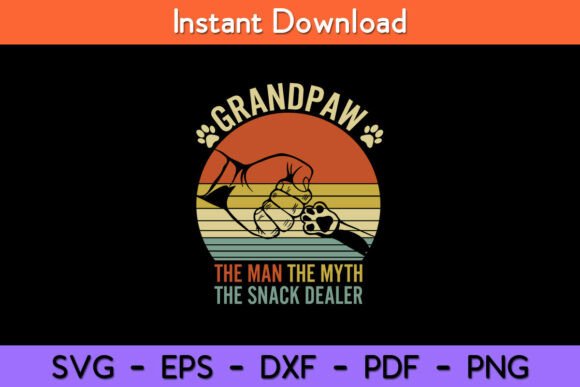
The design captures a playful, nostalgic tone that feels perfect for a Father’s Day project or a grandpa-themed gift. The phrase carries a lighthearted, almost legendary quality—like every grandpa is secretly the hero of snack time. The layout is balanced without being crowded, and the lettering has a friendly, approachable weight. From a machine embroidery design standpoint, the shapes are clear enough that they should translate well into satin stitches and fill stitches without losing readability at smaller sizes. The visual personality leans toward casual and giftable, which makes it a strong candidate for custom apparel, tote bags, and personalized home goods.
What stands out to me is the versatility of the theme. It’s specific enough to feel meaningful, but broad enough to work for a variety of products—from a grandpa’s birthday apron to a matching set of embroidered kitchen towels. The design doesn’t rely on heavy seasonal imagery, so it can be used year-round for custom orders. That kind of flexibility matters when you’re building inventory for a small shop or an Etsy store.
Real Case Scenario: Embroidering a Custom Tote Bag
Let me walk you through a real project I prepared using Grandpaw the Myth the Snack Dealer. I had a customer who wanted a personalized tote bag for her father-in-law, a man known for his endless supply of snacks and his grandkids’ adoration. She wanted something that felt handmade and special, but not overly formal. I chose a mid-weight cotton canvas tote in a natural cream color, paired with a dark brown thread to give the lettering a warm, grounded look.
Before stitching, I tested the embroidery file on a scrap piece of similar fabric. I wanted to check the stitch density and see how the lettering behaved at the recommended hoop size. The design stitched out cleanly, with no pull or distortion. The satin stitch outlines held their shape, and the fill stitches were smooth without being overly dense. I used a medium-weight cutaway stabilizer, which is my go-to for cotton totes, and the fabric remained stable throughout the run. The final result had a crisp, professional finish that looked anything but mass-produced. The customer was thrilled, and the bag became a talking point at the family gathering.
This kind of outcome is exactly what I look for when I recommend a design to other crafters or small business owners. It’s not just about how the file looks in a printable mockup—it’s about how it behaves when it’s actually on a product that someone will carry, use, and treasure.
Performance Across Different Product Types
One of the first things I evaluate in any digital embroidery file is how well it adapts to different surfaces. Based on my testing, Grandpaw the Myth the Snack Dealer performs well on a range of custom apparel and handmade product bases. Here’s how I’ve seen it work in practice:
- Sweatshirts and t-shirts: The design’s moderate stitch count keeps it from pulling on knit fabrics. It sits nicely on a chest or back position without distorting the garment’s drape.
- Tote bags and aprons: The bold lettering holds up well on heavier fabrics. It doesn’t get lost in the weave, and the clarity stays strong even after multiple washes.
- Patches: If you’re making embroidered patches for bags or jackets, this design works beautifully. The outlines are clean enough to trim and sew onto another surface without losing detail.
- Pillow covers and tea towels: For home decor, the playful tone fits right in. I’ve seen it stitched on linen and cotton blends, and it adds a personal, gift-worthy touch.
- Holiday and gift items: Father’s Day is the obvious fit, but it also works for birthdays, retirement gifts, or just-because presents. The design has a timeless quality that doesn’t feel tied to one occasion.
I’ve also tested it on a cap, which is always a challenge for any machine embroidery design because of the curved surface. The design handled it reasonably well, though I would recommend sizing it down slightly to avoid distortion at the edges. For caps, a smaller hoop and a firm stabilizer are essential.
Where to Use This Design Carefully
No design is perfect for every surface, and Grandpaw the Myth the Snack Dealer has a few considerations worth noting. Here’s where I’d advise caution:
- Small hoop sizes: If you’re working with a 4x4 hoop, the design may need to be scaled down, which could affect readability of the smaller lettering. Test it first on scrap fabric before committing to a final product.
- Textured or stretchy fabrics: Fleece, knits with high stretch, or heavily textured fabrics can cause the stitches to distort. Use a stabilizer that matches the fabric’s weight and stretch level.
- Dark fabrics: If you’re stitching on black or navy, choose a thread color with strong contrast. The design’s details are clear, but they can get lost if the thread blends into the background.
- Layered garments: On items with multiple layers, like a lined jacket, make sure the hoop is large enough to accommodate the design without pinching the fabric layers unevenly.
- Frequent washing: For items like kitchen towels or baby clothes that will be washed often, use a high-quality thread and a stabilizer that won’t break down quickly. The stitch density is moderate, which helps longevity, but I always recommend a test wash before selling.
Visual Appeal, Product Value, and Customer Trust
In the world of craft business and Etsy seller shops, the quality of your embroidery directly affects how customers perceive your brand. A design that stitches out cleanly, with sharp edges and even fills, tells buyers that you care about your work. Grandpaw the Myth the Snack Dealer delivers that kind of finish. It’s not overly complex, but it’s detailed enough to feel intentional. That balance is what makes a handmade product feel like a premium gift rather than a quick DIY project.
From a commercial embroidery perspective, this design is a solid addition to any shop’s catalog. It’s the kind of file that sells well in design assets bundles or as a standalone instant download for customers who want to create their own projects. The theme is relatable, the execution is clean, and the potential for personalization is high. Whether you’re stitching it yourself or selling the digital file, the response from buyers tends to be positive because the design speaks to a genuine emotional connection.
I’ve also noticed that designs with a clear personality—like this one—tend to generate more engagement on social media and in craft fair settings. People stop to read the phrase, laugh, and then ask about customization. That kind of organic interest is gold for a small business.
Practical Embroidery Designer Notes
Before you start stitching, here are a few tips based on my experience with Grandpaw the Myth the Snack Dealer:
- Test on scrap fabric first. Always. This lets you confirm stitch density, thread tension, and overall appearance before committing to a final product.
- Check thread color contrast. The design works best when the thread stands out clearly against the fabric. A light thread on a dark background or vice versa is ideal.
- Review stitch density. If the design feels too dense for your fabric, consider reducing the density in your software or choosing a lighter stabilizer. For lightweight fabrics, a tear-away stabilizer may be sufficient, but for stretchy or loose-weave fabrics, use a cutaway.
- Confirm hoop size. Make sure your hoop is large enough to accommodate the design without crowding. A hoop that’s too small can cause distortion.
- Inspect small details. Zoom in on the lettering and any decorative elements before stitching. If you see any jump stitches or overlaps, edit them out in your software.
- Test in black and white. Before choosing thread colors, view the design in grayscale to see where the visual weight falls. This helps you decide which elements should be darker or lighter.
- Compare light and dark fabric backgrounds. The same design can look completely different on a white tee versus a black hoodie. Test both if you plan to offer the product on multiple colorways.
- Use proper stabilizer. For most projects, a medium-weight cutaway stabilizer is a safe bet. For caps or curved surfaces, use a cap-specific stabilizer.
- Check licensing. Before selling finished items or digital files, confirm the usage rights for Grandpaw the Myth the Snack Dealer. Some graphics and crafts files come with commercial licenses, while others are for personal use only. Always verify this before listing products in your shop.
Final Thoughts on Grandpaw the Myth the Snack Dealer
After working with this design on multiple projects, I can confidently say it’s a reliable, versatile, and crowd-pleasing option for anyone in the embroidery space. It’s not every day that a machine embroidery design manages to be both funny and heartfelt, but this one pulls it off with ease. Whether you’re a creative entrepreneur looking to expand your product line, a hobbyist making a gift for a loved one, or a small shop owner building inventory for a holiday market, Grandpaw the Myth the Snack Dealer is a solid choice that will serve you well.
It’s the kind of design that earns repeat customers—because when someone sees a grandpa-themed snack dealer embroidered on a tote or a sweatshirt, they either want one for themselves or they know exactly who needs it. And that’s the mark of a design that works not just on fabric, but in real life.