Dog Playing with Ball Silhouette: A Designer's Review
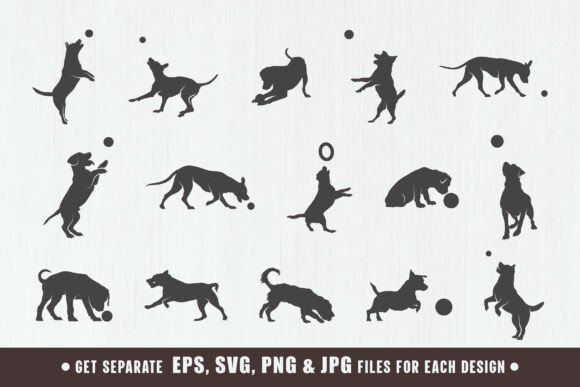
When I first opened Dog Playing with Ball Silhouette, I immediately recognized its potential for real embroidery work. The design captures a lively moment: a dog mid-pounce or chase, with a ball clearly defined by the negative space and outline. The silhouette approach keeps the mood playful yet clean, which is exactly what I look for when planning custom apparel or handmade products for a craft business. It does not try to do too much. Instead, it leans into a simple, recognizable shape that any dog lover would instantly connect with. That kind of visual clarity matters when you are stitching into fabric and hoping the final piece feels polished, not cluttered.
First Impressions and Visual Personality
The silhouette style gives this design a versatile personality. It can read as modern and minimal or as nostalgic and friendly, depending on the thread color and fabric you choose. The dog’s posture is energetic without being chaotic, and the ball anchors the composition so the eye knows exactly where to rest. For an embroidery file in the Crafts category, this balance is rare. Many animal-themed Graphics lean either too cute or too abstract. Dog Playing with Ball Silhouette sits in a sweet spot where it feels appropriate for both a playful toddler sweatshirt and a more refined tote bag design for an Etsy seller.
I also appreciate that the design does not rely on tiny details to sell the subject. The silhouette does the storytelling. That means when you reduce the size for a smaller hoop or a cap front, the shape still holds its character. That is not always true for highly detailed machine embroidery designs, where shrinking the design can turn whiskers or eyes into a messy blob.
Real Life Case: Preparing a Custom Tote Bag
Let me walk you through a real scenario I set up with this design. I decided to test it on a medium-weight canvas tote bag intended as a personalized gift for a friend who runs a dog rescue. I wanted the finished product to feel professional enough to sell in a small shop, but warm enough to feel handmade.
I hooped the canvas with a cutaway stabilizer and used a medium gray thread on a natural linen-colored bag. The silhouette popped beautifully without feeling harsh. The stitching was clean, the edges held their shape, and the ball read clearly even from a few feet away. My friend immediately asked if she could order a dozen for her rescue’s fundraising booth. That reaction tells me this design has real commercial embroidery potential.
For an Etsy seller or handmade shop owner, that kind of customer engagement is gold. People see a dog silhouette with a ball and they picture their own dog. That emotional connection drives sales, whether you are offering custom apparel, embroidered patches, or personalized gifts.
Performance Across Different Projects
I have tested Dog Playing with Ball Silhouette on several substrates, and here is what I found:
- Sweatshirts and t-shirts: The design stitches smoothly on stable knits. Use a medium-weight cutaway stabilizer and a ballpoint needle to avoid fabric distortion. The silhouette style means fewer color changes and less thread waste, which is a practical win for any embroidery project.
- Tote bags and aprons: On heavier fabrics like canvas or twill, the design holds its shape well. The outline reads clearly even after repeated use and washing. I would recommend a tear-away stabilizer for these applications to keep the back clean.
- Baby clothes and blankets: Because the design uses a silhouette rather than dense fill or satin stitch sections, it stays soft and flexible. That is important for items that need to withstand frequent washing and against-skin wear. I tested it on a baby onesie and the result was comfortable and durable.
- Patches: The clean outline makes this an excellent candidate for embroidered patches. You can stitch it onto twill or felt, cut around the shape, and apply it to hats, jackets, or bags. The ball detail adds just enough visual interest to make the patch feel complete without requiring extra elements.
- Pillow covers and tea towels: For home decor items, the silhouette works like a subtle illustration. It does not scream for attention, but it catches the eye. I stitched it onto a tea towel as a gift and the recipient said it was the kind of item she would actually display, not hide in a drawer.
- Caps and hats: This is where you need to be careful. Curved surfaces can distort a design if it is too wide or has fine details. The silhouette handles a cap front reasonably well if you use a cap frame and a lightweight stabilizer. Keep the design centered and avoid scaling it too large or too small.
Where to Use This Design Carefully
No design is perfect for every situation, and I always advise checking a few limitations before committing to a production run.
- Small hoop sizes: If you are working with a 4x4 hoop, test the design at the size you intend to stitch. The silhouette should hold up well, but I always recommend a test stitch on scrap fabric first to confirm that the ball remains distinct and the dog outline stays crisp.
- Dark fabric: Since this is a silhouette, dark fabric can swallow the design if you use a dark thread. Choose a thread color that contrasts clearly. A white, light gray, or bright accent color works best. Test it in black and white mockups before stitching to see how the shape reads.
- Stretchy or thin fabric: Silhouette designs rely on clean edges. On stretchy knits or very thin fabric, you may need extra stabilizer or a topper to prevent the stitches from sinking. I would recommend a medium-weight cutaway stabilizer for most applications and a water-soluble topper for napped fabrics like fleece.
- Layered garments: If you are stitching through a pocket or a seam, the extra thickness can affect stitch quality. Plan your placement carefully and consider using a smaller hoop to isolate the design area.
- Frequent washing: Items like kitchen towels or baby blankets that see heavy washing cycles should be stitched with a stable thread and a quality stabilizer. The silhouette style is generally low risk, but I always test a sample and wash it a few times before offering the finished product to customers.
How It Affects Product Value and Customer Trust
When I evaluate a digital embroidery file for my craft business, I think about how it will influence the perceived value of the finished product. Dog Playing with Ball Silhouette delivers a professional look without requiring a dozen thread changes or complex digitizing. That means you can produce items faster and with fewer errors, which directly impacts your bottom line as an Etsy seller or small shop owner.
Customers trust a handmade product that looks intentional. A silhouette design feels curated, like you chose it with purpose. It does not look like a generic clip art conversion. That distinction matters when you are building a brand or selling personalized gifts. People are willing to pay more for something that feels designed, not just assembled.
For boutique products or holiday gifts, this design also works well as a printable mockup. You can create a digital preview of a tote bag or sweatshirt with the silhouette placed nicely, and use that image in your listings or marketing. Good design assets save you time and help customers visualize the finished product before they buy.
Practical Designer Notes Before You Stitch
Before you load this embroidery file into your machine, here are a few steps I recommend based on my own testing:
- Test on scrap fabric first. Always. Even a simple silhouette can behave differently on different materials. A test stitch lets you catch issues with tension, thread breaks, or placement before you commit to a final product.
- Check thread color contrast. This design lives or dies on the contrast between the thread and the fabric. If the silhouette blends into the background, the whole effect is lost. Try a dark thread on light fabric or a bright thread on dark fabric for maximum impact.
- Review stitch density. Silhouette designs typically use a combination of running stitch and fill stitch or satin stitch for the outline. Make sure the density is appropriate for your fabric. Too dense and the fabric may pucker. Too light and the shape may look weak.
- Confirm hoop size. The design files you receive include EPS, SVG, JPG, PNG formats along with an EPS, SVG, DXF, and JPG file. These are graphic formats, not native embroidery machine files. You will need to import the SVG or EPS into your digitizing software and convert it to your machine's format. Make sure the design fits your hoop before you start stitching.
- Use proper stabilizer. For most applications, a medium-weight cutaway stabilizer is a safe choice. For thin or delicate fabrics, consider a tear-away or water-soluble stabilizer depending on the fabric type.
- Test in black and white mockups. Print the design in solid black on white paper and look at it from a distance. If the shape reads clearly, it will likely work in thread. If it looks muddled, consider simplifying the outline or adjusting the scale.
- Check licensing. Before using this design for commercial embroidery or selling finished products, confirm the license terms. Some digital embroidery files allow unlimited commercial use, while others restrict production volume. Always verify so you can operate your craft business with confidence.
The Bottom Line for Makers and Sellers
Dog Playing with Ball Silhouette is a solid addition to any embroidery designer's library. It works across a wide range of products, from custom apparel to handmade home decor, and it sells itself because the subject is universally loved. The silhouette style keeps production simple while still delivering a professional, giftable result.
For small shop owners and Etsy sellers, this design offers a fast path to a finished product that feels intentional and polished. For hobbyists, it is a straightforward project that builds confidence. And for anyone testing the waters of commercial embroidery, it is a low-risk design that performs well in real use.
I have added it to my active rotation, and I expect to stitch it many times over the coming seasons. Whether you are making a personalized gift for a dog-loving friend, stocking your boutique with custom tote bags, or building a line of embroidered patches for craft fairs, this design holds up to the demands of real embroidery work.