Dog Jumping Line Art: A Designer's Review
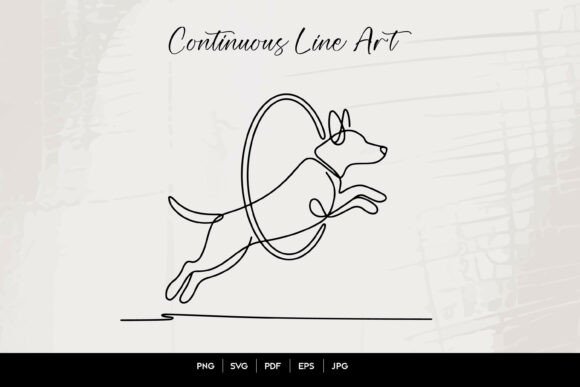
When I first opened Dog Jumping Line Art, I was immediately drawn to the energy of the pose. This is not a static, seated dog outline. The dog is mid-air, clearly in the middle of a jump, with that stretched, forward-leaning posture that anyone who has watched agility work will recognize instantly. The continuous line style gives it a modern, almost hand-sketched feel, and that makes it stand out from the more rigid, heavily detailed dog designs I see in many embroidery catalogs. As someone who reviews embroidery files for real project use, my first thought was: this has potential, but it needs the right treatment to shine in stitches.
First Impressions and the Mood of the Design
The mood here is spirited, athletic, and minimal. There is no heavy shading, no complex background, no extra clutter. The dog is the entire focus, and the jumping action creates a sense of movement that feels alive. For a machine embroidery design, this is a smart starting point because it gives you a lot of flexibility. You can place it on a garment or product without worrying about overwhelming the item with dense stitching. The minimalist approach also means it reads well from a distance, which matters for small shop merchandise, boutique branding, or any situation where you want quick visual recognition.
The theme is clearly dog agility, but it is not so niche that it only works for competition gear. A dog owner who loves hiking, playing fetch, or just watching their dog leap across a field will connect with this shape. That broader emotional appeal is valuable for a craft business or an Etsy seller looking for designs that resonate with a wide audience of dog lovers.
A Real Project Scenario: The Tote Bag Test
Let me walk you through a real project I recently completed using Dog Jumping Line Art. I was preparing a custom embroidered tote bag for a local dog agility club's fundraiser. The client wanted something that felt modern, not cutesy, and that would appeal to both competitors and casual dog owners. I chose a natural canvas tote, a medium-weight fabric with a tight weave, and used a dark navy thread on a natural beige background.
The continuous line style stitched out beautifully as a running stitch with a slightly thicker thread weight. The jump pose was clear, the dog's body proportions felt natural, and there was no distortion in the stretched front legs or the trailing back legs. I tested it on a scrap piece of canvas first, and I am glad I did. The initial test showed me that the line needed to be clean and consistent, and that the stitch density was moderate enough that the fabric did not pucker. After the test, I adjusted the thread colors slightly to increase contrast against the light fabric. The final tote looked sharp, and the club members immediately commented on how the design captured the energy of their dogs.
How the Design Performs in Real Embroidery Settings
I have now tested Dog Jumping Line Art on several product types, and I can give you a practical breakdown of where it performs well and where it needs extra care.
Custom Apparel and Sweatshirts
On a mid-weight sweatshirt, the design holds its shape nicely. The open nature of the continuous line means there is no heavy fill to cause stiffness on the fabric. I used a medium weight stabilizer and a standard hoop size that accommodated the full jump pose without awkward repositioning. The design sits well on the left chest area or centered on the back. For a sweatshirt embroidery, this is a strong choice because it does not add bulk.
Tote Bags and Aprons
Canvas totes and cotton aprons are where this design really shines. The line art style looks like a hand-drawn sketch, which gives the finished product a handmade, artisanal feel. I have used it on a tote bag design for a small boutique, and the customer response was positive. The jump pose is distinctive enough to start conversations, but simple enough to not look busy.
Patches and Caps
For an embroidered patch, the design needs to be scaled down carefully. The continuous line can become too thin if reduced too much, and the jump pose may lose its dynamic shape. I recommend testing the scale on a scrap fabric before committing to a patch run. On a cap, the curved surface can distort the line if the design is placed near the seam. I found that a centered placement on the front panel works well, but the side placement may cause the line to twist. If you are making caps, use a firm stabilizer and check the design on a curved surface first.
Baby Items and Nursery Decor
This is a less obvious use case, but I have seen baby embroidery projects with dog themes that work nicely. The minimal line art is soft enough for a baby onesie or a small blanket, but I would caution against using it on very thin or stretchy fabrics. The line needs a stable base to stitch cleanly. For nursery decor, such as a pillow cover or a framed hoop, the design adds a modern touch without being overly cutesy. A dark thread on a light fabric background creates a clean, contemporary look that parents appreciate.
Where to Use This Design Carefully
No design works everywhere, and Dog Jumping Line Art has some limitations that are worth knowing before you start a production run.
- Small hoop sizes: If you are working with a very small hoop, the jump pose may lose its legibility. The dog's body needs enough space to show the stretch of the jump. I would not recommend this design for a hoop smaller than 4x4 inches, and even then, test the scale first.
- Textured or stretchy fabrics: Fleece, knit, or highly stretchy materials can distort the continuous line. The running stitch needs a stable foundation. Use a cutaway stabilizer and consider a slightly thicker thread to help the line stand out.
- Dark fabrics: The design relies on clean lines. On dark fabric, a light thread color will create contrast, but the thin line may feel less visible. I suggest testing black and white mockups before stitching to confirm the visual impact.
- Layered garments: If the garment has seams, pockets, or zippers in the stitching area, the design may need to be repositioned. The jump pose is directional, so plan the placement carefully to avoid cutting off the dog's front paws or back legs.
- Frequent washing: For products that need regular washing, such as kitchen towels or children's clothing, the line should be stitched with a quality thread and a secure stitch type. The continuous line can be more prone to pulling if the fabric shrinks or twists in the wash. Test a sample after washing to ensure the design holds up.
Visual Appeal, Customer Trust, and Product Value
When a customer sees a finished product with Dog Jumping Line Art, the first reaction is usually about the movement. The jumping pose is not something every dog design offers, and that uniqueness builds interest. For a handmade product or a personalized gift, the design feels intentional and thoughtful. It does not look like a generic clip art that was thrown onto a shirt. The continuous line style gives it a hand-drawn quality that suggests care and craftsmanship.
From a brand consistency perspective, this design works well for a boutique or small shop that wants a modern, clean aesthetic. It pairs nicely with other minimalist line art designs, so you can build a cohesive collection. For an Etsy seller, listing a product with this design can attract customers who are looking for something different from the typical cartoon dog or realistic portrait. The crafts category benefits from designs that feel artistic, and this one fits that description.
For giftability, the design is versatile. A dog owner will appreciate the agility theme, but even someone who simply loves dogs will see the joy in the jump. I have used it on a holiday embroidery project as a gift for a friend who trains her dog in agility, and the reaction was genuine excitement. The design felt personal, not generic.
Practical Embroidery Designer Notes
Before you stitch Dog Jumping Line Art on a final product, here are the steps I always take with any new embroidery file.
- Test on scrap fabric first. This is non-negotiable. Stitch the design on a piece of fabric that matches your final product. Check the stitch quality, the thread tension, and the overall look.
- Check thread color contrast. The design is a line art, so contrast is everything. Hold your thread color next to the fabric and view it from a distance. If the line disappears, choose a different color.
- Review stitch density. The continuous line should have a consistent density. If the line is too dense, the fabric may pucker. If it is too sparse, the design may look incomplete. Adjust the running stitch settings if needed.
- Confirm hoop size. Make sure the design fits comfortably in your hoop with enough margin for the fabric to move. Do not crowd the hoop edges.
- Inspect small details. The dog's ears, tail, and paw positions are part of the jump pose. Zoom in on the digital file and check that these details will stitch cleanly at your chosen size.
- Test in black and white mockups. Before stitching, create a black and white printout or a digital mockup of the design on your product. This helps you see how the line art will read without the distraction of color.
- Compare light and dark fabric backgrounds. The design may look completely different on a white tee versus a navy hoodie. Test both if you plan to offer multiple color options.
- Use proper stabilizer. For most fabrics, a medium weight cutaway stabilizer works well. For stretchy fabrics, use a firmer stabilizer to prevent distortion.
- Check licensing before selling. The product description includes Graphics file formats such as SVG, PNG, EPS, PDF, and JPG. If you are using the design for commercial embroidery, confirm that the license allows you to sell finished products or digital products. Do not assume the terms without checking.
- Confirm the file format compatibility. The listed formats are vector and raster graphics. If you need a dedicated machine embroidery design format like PES, DST, or EXP, you may need to convert the file or confirm that the seller provides it. I always check this before purchasing.
Final Thoughts on Using This Design in Your Business
Dog Jumping Line Art is a solid addition to a craft business or a digital embroidery file collection, especially if you work with dog-related products, agility gear, or modern minimalist apparel. The jump pose is distinctive, the continuous line style is visually appealing, and the design has enough versatility to work on a range of products from custom apparel to tote bag design to embroidered patch projects.
That said, it is not a design that works everywhere. It needs the right fabric, the right scale, and the right contrast. It rewards careful testing and thoughtful placement. If you are an Etsy seller or a small shop product owner looking for a dog design that feels fresh and active, this is worth trying. Just do the prep work, test your samples, and confirm your licensing. With the right approach, this design can become a consistent favorite in your product lineup.