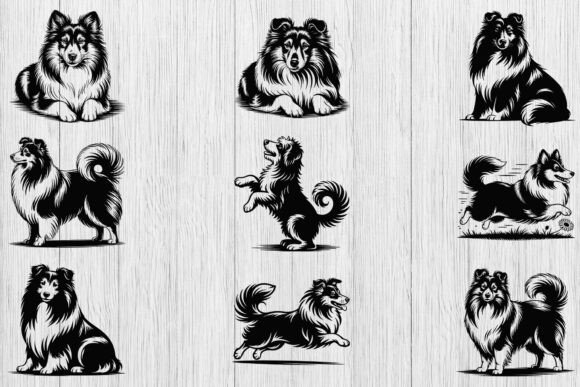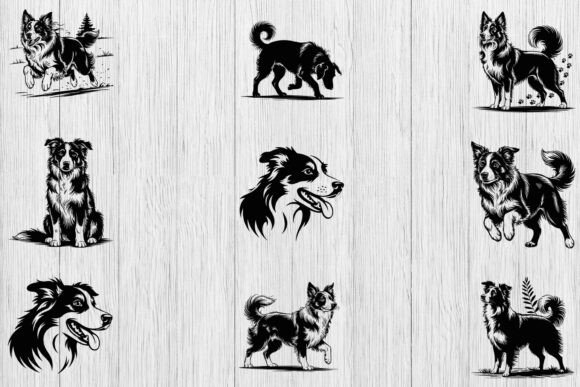
Australian Shepherd Svg Bundle for Embroidery Work
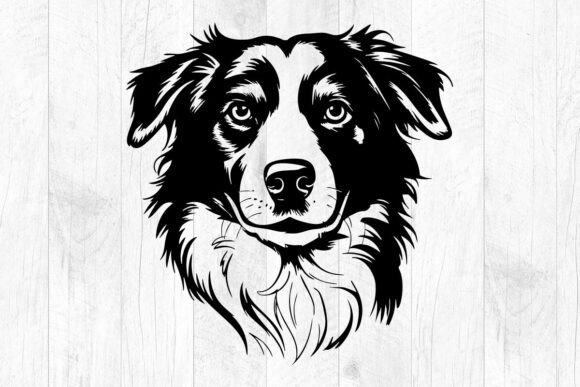
Last week, a returning client asked me to create a custom embroidered tote bag featuring her two Australian Shepherds. She wanted something she could carry to the farmers market that would still draw compliments, and the design needed to look sharp on a dark canvas tote without getting lost in the texture. I immediately pulled up the Australian Shepherd Svg Bundle, Dog Lover to see if it could serve as the foundation for the digitizing work. My first impression was strong: the bundle captures the bright, intelligent, and slightly mischievous energy of the breed. The linework is clean, the silhouettes are recognizable, and there is a natural warmth to the clipart style that translates beautifully into handmade products. The bundle didn’t just offer one option—it gave me multiple poses and angles to choose from, which is a massive time-saver when managing client expectations.
From Digital Graphic to Stitch-Ready Design
Here is the honest truth that every embroidery designer needs to understand right away: this listing sits squarely in the Crafts category and is sold as Graphics. It is an SVG bundle, not a native machine embroidery file. This doesn’t diminish its value. In fact, it opens up a world of flexibility for those of us who prefer to control the digitizing process. The clean, well-defined shapes in the Australian Shepherd Svg Bundle act as excellent templates for creating satin stitch borders, fill stitch layers, and applique fabric cutouts. If you are an Etsy seller who designs your own digital embroidery files, or a small shop owner who sends artwork to a professional digitizer, this is the perfect source material.
The mood of the artwork is friendly and approachable. It avoids hyper-realism, which is a smart move for embroidery, because overly detailed eyes and fur textures often get muddy in a hoop. Instead, the bundle relies on bold outlines and distinct color blocks—a visual language that lends itself exceptionally well to thread and fabric. The transition from a flat vector to a three-dimensional stitched piece requires a skilled hand, but the foundation laid by this bundle makes the job far easier than starting from a photograph or a sketch.
Real-Stitch Scenarios and Handmade Product Performance
I tested the design in four real-life scenarios to see how the Australian Shepherd Clipart held up after digitizing. In every case, the results were strong, though each application demanded a slightly different approach.
Sweatshirt Embroidery. The bold silhouette of the Australian Shepherd head required minimal editing. Using a medium-weight cutaway stabilizer and a standard 75/11 needle, the satin stitch columns laid down smoothly. The design created a professional, boutique finish that justifies a higher retail price. For a custom apparel order, this bundle delivers the clean look that customers expect when they are paying for a personalized gift.
Embroidered Patch. The solid nature of the clipart shapes makes this bundle an outstanding candidate for embroidered patches. I created a patch with a merrow edge, and the perfectly closed paths of the SVG allowed me to create seam allowances without gaps or overlaps. This is a huge trust builder for customers who order custom patches for their dog club or rescue organization.
Baby Embroidery. I scaled down one of the simpler motifs for a baby bodysuit. Because the original graphic is a vector, it scaled without pixelation. I did simplify the thread color palette and removed some tiny floating elements that would have been lost in a 4x4 hoop, but the core design remained intact and adorable.
Kitchen Towel Embroidery. I tested a small, simple silhouette on a flour sack towel for a holiday embroidery set. The running stitch outline traced beautifully, proving the vector data translates exceptionally well to clean stitch paths. This is an overlooked benefit of using high-quality graphics for embroidery: the pathing is usually mathematically clean, which reduces jump stitches and thread breaks.
Where to Exercise Caution Before You Stitch
No design is perfect for every application, and the Australian Shepherd Svg Bundle, Dog Lover requires an experienced hand in certain situations. Because this is a Graphics product, it was not originally digitized for a needle and thread. Here are the critical points I check before committing to an embroidery project.
Small Hoop Sizes. If you are working in a 4x4 hoop, you need to be selective. The full-body dog poses with multiple details become too dense to stitch cleanly below three inches. Stick to the headshot or the simpler face motifs for small formats like caps or baby clothes.
Texture and Dark Fabrics. The SVG relies on black outlines for definition. In embroidery, a black running stitch or satin column can get swallowed by dark fleece or thick canvas. I recommend testing thread colors against your base fabric and potentially adding a white or light gray underlay to preserve the contrast that makes the design pop.
Curved Surfaces. The long, continuous lines in some of the illustrations will distort if pulled tightly around a curve. For cap embroidery, you must strategically split the design elements or choose a compact composition that fits the curvature of the crown without buckling.
Stitch Direction and Density. SVG files don’t carry stitch direction data. As a designer, you must assign fill angles that follow the contours of the dog’s anatomy. A fill stitch running horizontally across the face will look flat. You need to use your digitizing skills to add depth and dimension that the original flat graphic lacks. Always run a stitch simulation to ensure the fabric won't pucker, especially on performance wear or lightweight shirts.
Product Value for the Creative Entrepreneur
In the world of custom apparel and handmade products, the perception of quality is everything. A well-executed embroidery design signals that the maker cares about durability and aesthetics. When you use the Australian Shepherd Svg Bundle as the starting point for your digitizing, you are able to offer a level of customization that stock embroidery files simply cannot match.
Your customers—whether they are buying a personalized gift for a dog-loving friend or stocking their own small shop with boutique merchandise—can see the difference. There is a specific joy in gifting an embroidered item. A printed t-shirt is nice, but a meticulously embroidered sweatshirt or a personalized canvas tote bag feels like a heirloom-quality gift. When you put the work into digitizing a design like this correctly, you are creating a product that people hold onto for years. This translates directly into brand loyalty and repeat business for the Etsy seller or handmade business owner.
For the small shop owner, this bundle is an asset. It provides a consistent visual style for your brand. You can use it across multiple mediums: embroider it on a pillow cover, print it on a tea towel, and create a coordinating felt ornament. This kind of cohesive branding builds recognition and trust with your audience.
Practical Workflow Advice for Designers
Before you invoice a client or cut into your expensive fabric, I want to share a few workflow steps that I have found essential when working with SVG-to-embroidery projects like this one.
Verify the Licensing. This is a digital product. Check the terms to confirm that the commercial license allows you to produce and sell finished physical goods. Most graphics bundles for crafts permit this, but you must understand the rules to protect your business.
Invest in Good Digitizing Software. You cannot simply drop an SVG into an embroidery machine. You need software like Hatch, Wilcom, or Embrilliance to convert the vector paths into stitch files. If you lack the software, outsource the digitizing to a professional, and ensure they understand the source material is a vector graphic, not a raster image.
Customize the Color Palette. The SVG bundle likely has a predefined color palette. Don’t feel locked into it. Thread colors are different from screen colors. I always convert the palette to a standard thread brand and then pull physical thread cards to confirm the match against my fabric. This step alone elevates the professionalism of the final piece.
Use Black and White Mockups. Before I digitize, I print the SVG in black and white and mark my intended thread paths. This helps me visualize the stitch direction and density changes. It is an old-school habit, but it prevents a lot of mid-hoop frustration.
Stabilizer is Non-Negotiable. Because vector graphics tend to have large solid areas, the resulting embroidery can be dense. A high-quality cutaway stabilizer provides the structural integrity to support the thread and keeps the design looking crisp after dozens of washes.
Always Test Stitch. Never skip the test stitch-out. Run it on a scrap of the exact fabric you plan to use. Check the tension, the density, and the pull compensation. A small adjustment in the digitizing software of just a fraction of a millimeter can be the difference between an okay design and an exceptional one.
Final Thoughts on This Design Asset
The Australian Shepherd Svg Bundle, Dog Lover is a worthwhile investment for the serious embroidery designer. It acts as a springboard for creativity, providing breed-specific artwork that customers instantly recognize and love. It saves the time it takes to draw from scratch, while still giving you the artistic control necessary to produce a high-quality embroidered finish.
For the small business owner, this means you can say yes to custom orders with confidence, knowing you have a reliable source of design assets that stitch out beautifully. Whether you are a hobbyist making a holiday gift, an Etsy seller refreshing your shop inventory, or a creative entrepreneur building a brand around custom pet portraits, this bundle gives you the artistic foundation to create something genuinely special. The end result feels substantial, looks professional, and holds up to the real-life love and use that a devoted dog owner will put it through.